Triesta Grey Marble
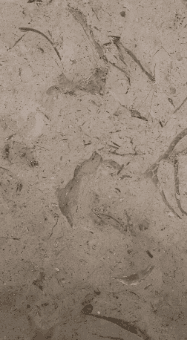
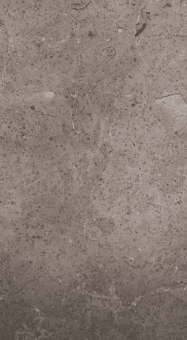
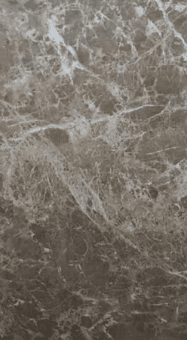
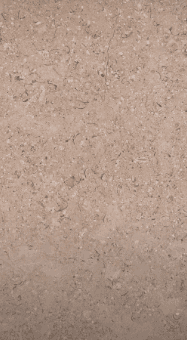
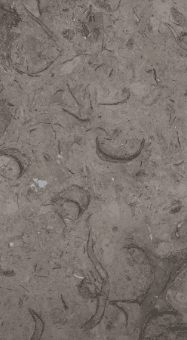
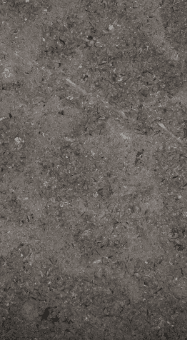
Triesta Grey is the grey variant of Sinai Pearl, Egypt's best-selling limestone, quarried in the Sinai Peninsula and sold as Egyptian marble. Its cool grey ground carries fine veining and small fossil traces, giving a subdued, contemporary look. Dense enough for indoor and outdoor use, it suits flooring, wall cladding, stairs, facades and paving.
- Also known as
- Sinai Grey, Terista Grey, Teriesta
- Origin
- Sinai Peninsula
- Colour
- Cool light to mid grey with fine veins and fossil traces
- Applications
- Interior flooring, Exterior paving and patios, Facade and wall cladding, Staircases, Kitchen countertops and vanities
- Sand Blasted
- Split Face
- Rough
- Leather
- Honed
- Bush Hammered
- Brushed
- Antique
About Triesta Grey
Triesta Grey is the grey selection from the same Sinai beds that give Sinai Pearl beige, so it shares that stone's density, fossil speckle and occasional iron flecks. Industry coverage describes the Sinai Pearl range as including darker grades, and Egyptian exporters sell the grey selection as Sinai Grey limestone, running from medium to dark grey with subtle movement. It is a cooler alternative to Light Nilo Grey with more visible texture. Honed and brushed finishes are standard; polished is possible but less common. Seal before exterior use to control rust marks. Contact us for available sizes and finishes.
Frequently asked questions
What is the difference between Triesta Grey and Triesta Beige?
Both are Sinai Pearl limestone from the Sinai Peninsula. Triesta Beige has a warm beige-grey field; Triesta Grey is the cooler grey selection with the same fine veining and fossil marks. Performance and finishing are the same.
Is Triesta Grey suitable for kitchen countertops?
It is used for worktops and vanities, but as a limestone it will etch from acids and needs sealing. A honed finish hides wear better than polished. For heavy kitchen use, an Egyptian granite such as Karnak Grey is the harder option.