Emperador Marble
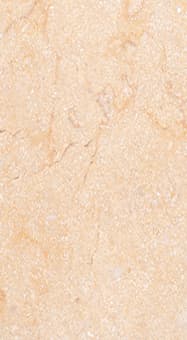
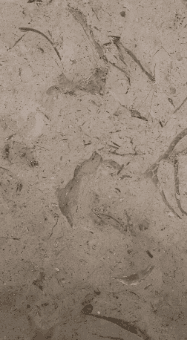
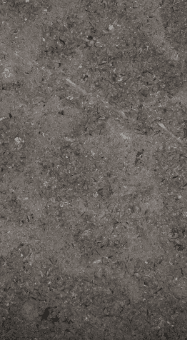
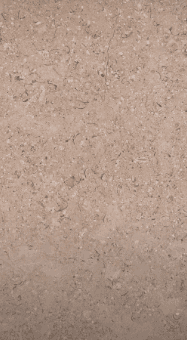
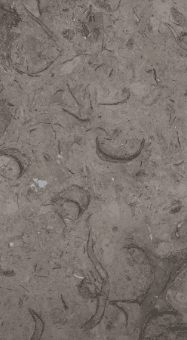
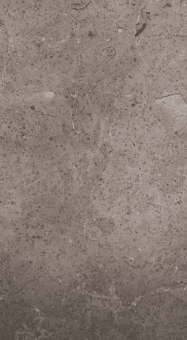
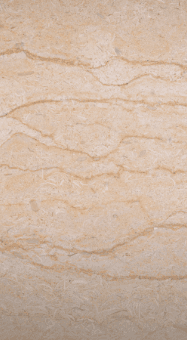
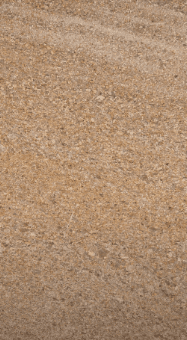
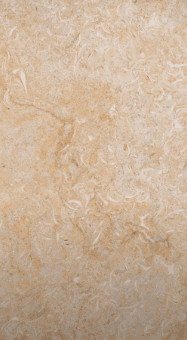
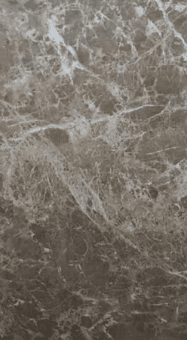
Emperador is Egypt's own dark brown marble, not to be confused with the Spanish stone of the same name. It shows a deep chocolate-brown base crossed by fine networks of lighter beige and white veins. This Egyptian marble is cut into slabs and tiles for statement floors, feature walls, vanities, countertops, stair treads and decorative inlays, in polished, honed or brushed finishes.
- Also known as
- Egyptian Emperador, Emperador Dark, Dark Brown Egyptian Marble
- Origin
- Egypt
- Colour
- Deep chocolate brown with beige and white veins
- Applications
- Statement floors and inlays, Feature walls and cladding, Vanity tops and countertops, Fireplace surrounds, Stair treads
- Sand Blasted
- Split Face
- Rough
- Leather
- Honed
- Bush Hammered
- Brushed
- Antique
About Emperador
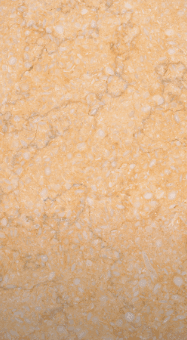
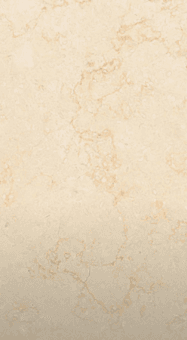
Egyptian Emperador borrows its name from the Spanish brown marble but is quarried in Egypt, and buyers should ask for the country of origin in writing when the name alone is used. It is mostly used as an accent: borders within lighter Galala or Katrina floors, bookmatched feature walls and reception desks. Suppliers also list a lighter Emperador with a creamy brown field and golden veining under the same family name. Polished is the usual finish; brushed and tumbled faces are offered for rustic settings. Seal it, avoid acidic cleaners, and expect vein density to vary between blocks. Contact us for available sizes and finishes.
Frequently asked questions
Is Egyptian Emperador the same as Spanish Emperador?
No. Spanish Marron Emperador comes from south-east Spain. Egyptian Emperador is a separate brown stone quarried in Egypt that shares the chocolate-brown field and pale veining. Confirm the origin on the quotation if a specific source matters.
What finishes suit Emperador marble?
Polished is the most common because it deepens the brown and sharpens the veins. Honed gives a softer matte look for floors, and brushed or tumbled finishes are used for rustic or outdoor feature walls. Seal all finishes.