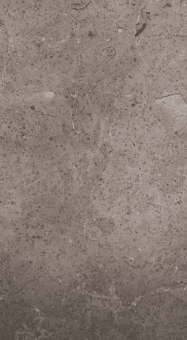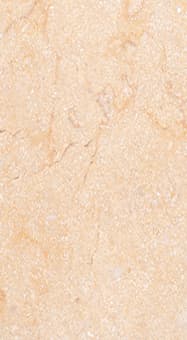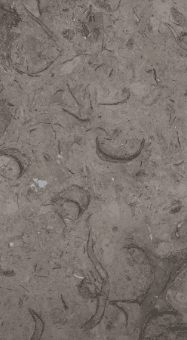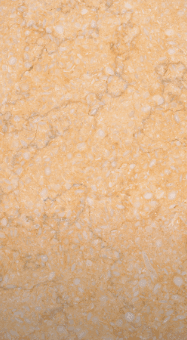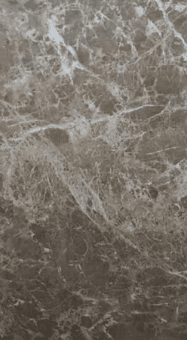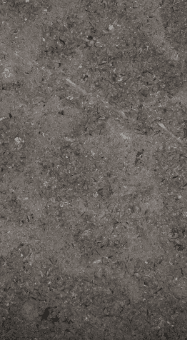
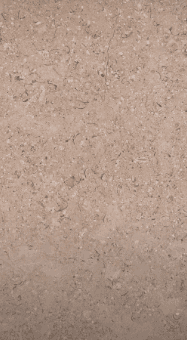
Triesta Beige Marble
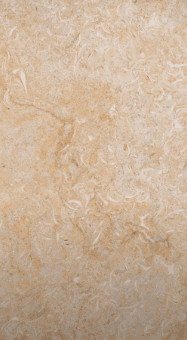
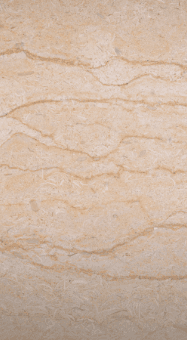
Triesta Beige, also traded as Sinai Pearl, is a warm light-beige limestone sold as Egyptian marble and quarried in the Sinai Peninsula. Fine veining, small fossil inclusions and occasional rust flecks give it a calm, cohesive surface. Dense and suited to indoor and outdoor use, it is a favourite for flooring, facades, stairs, pool copings and paving.
- Also known as
- Sinai Pearl, Teriesta, Terista, Perlato Sinai
- Origin
- Sinai Peninsula
- Colour
- Warm light beige with grey-brown undertones
- Applications
- Interior flooring, Exterior paving, patios and garden paths, Pool coping and surrounds, Facade and wall cladding, Steps and copings
- Sand Blasted
- Split Face
- Rough
- Leather
- Honed
- Bush Hammered
- Brushed
- Antique
About Triesta Beige
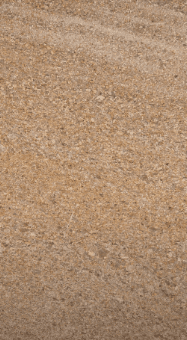
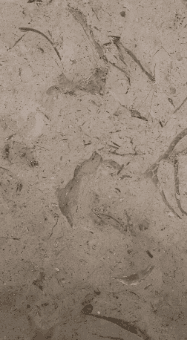
Triesta is the Egyptian trade name for Sinai Pearl, a fossil-rich limestone that European importers sell as the beige counterpart to Belgian blue stone. Fine veining and occasional rust-coloured iron flecks are part of its character; UK paving suppliers advise sealing before use because those iron minerals can mark. It polishes acceptably but honed, brushed, tumbled and sawn finishes are far more common, and the textured faces provide grip around pools. Shade varies between batches, so request a sample from the current production. It is dense enough for exterior and high-traffic floors. Contact us for available sizes and finishes.
Frequently asked questions
Is Triesta the same stone as Sinai Pearl?
Yes. Triesta (also spelled Teriesta or Terista) is the name used by Egyptian exporters, while Sinai Pearl is the name used by most European distributors. Both refer to the beige fossil limestone quarried in the Sinai Peninsula.
Is Triesta Beige good for outdoor paving?
Yes. It is one of the most widely used Egyptian limestones for patios, pool surrounds and driveways, usually in a brushed, tumbled or sawn finish. Seal it before use to limit rust marks from the natural iron minerals in the stone.
Why is Triesta sold as both marble and limestone?
Egyptian suppliers list it under marble because it polishes and is worked like marble. European standards classify it as a fossil-rich sedimentary limestone. For specification purposes treat it as a dense limestone and follow limestone sealing and cleaning practice.