
Galala Marble
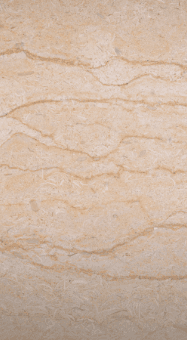
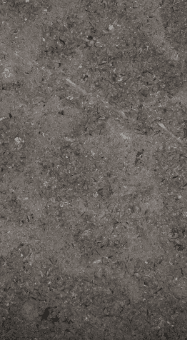
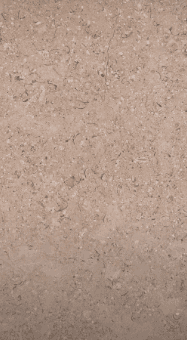
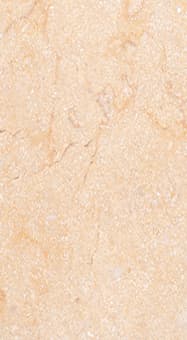
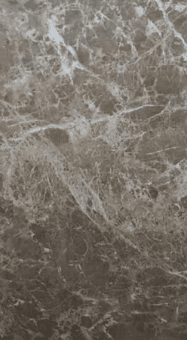
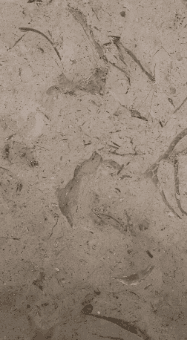
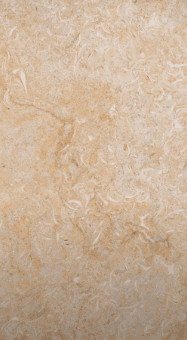
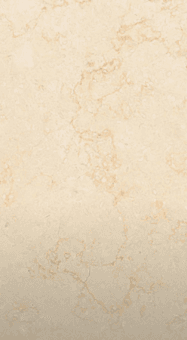
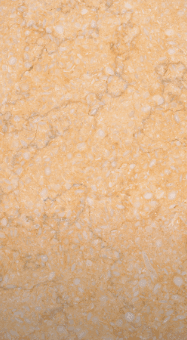
Galala is Egypt's best-known export stone, a cream to light-beige limestone traded worldwide as Egyptian marble. Quarried on the Galala Mountain near Suez, it shows a soft, even background with subtle fossil and mineral mottling. Honed and polished Galala suits flooring, wall cladding and stairs, while brushed, tumbled or bush-hammered finishes work for facades and outdoor paving.
- Also known as
- Galalah, Galala Classic, Galala Cream, Galala Beige
- Origin
- Galala Mountain, Suez governorate, Eastern Desert
- Colour
- Cream to light beige
- Applications
- Interior and exterior flooring, Wall cladding and facades, Staircases, Pool surrounds and coping, Vanity tops and shower walls
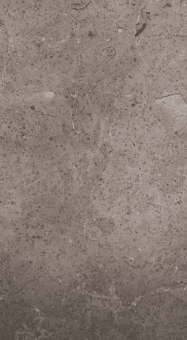
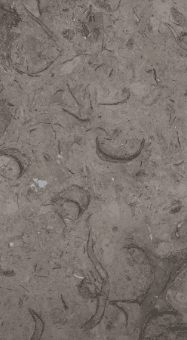
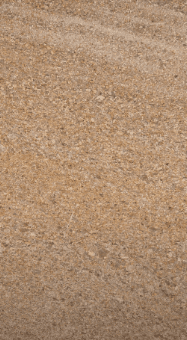
- Sand Blasted
- Split Face
- Rough
- Leather
- Honed
- Bush Hammered
- Brushed
- Antique
About Galala
Galala has been Egypt's reference export stone for decades, and the trade sorts it into grades: Galala Classic or Cream with visible fossil and honey mottling, and Galala Extra at the pale, uniform end. Colour shifts between blocks on the same mountain, so large floors are usually matched from one production run. Industry reporting notes that the older problem of salt seeping through polished Galala has largely disappeared with better block selection. Honed is the most common finish; polished works indoors, and bush-hammered or tumbled faces are preferred for steps and paving. Contact us for available sizes and finishes.
Frequently asked questions
Is Galala marble suitable for outdoor use?
Yes. Galala is a dense limestone with low absorption and is widely used for facades, covered terraces, steps and pool surrounds. Choose a honed, brushed, tumbled or bush-hammered finish outdoors rather than polished, and seal it as you would any limestone.
Is Galala a true marble?
No. Galala is a cream limestone quarried on the Galala Mountain near Suez and traded under the name Galala marble. It takes a polish like marble, which is why the trade name persists, but its care and performance follow limestone practice.
What is the difference between Galala and Galala Extra?
Both come from the Galala quarries. Classic Galala shows more cream and honey movement with small fossil fragments; Galala Extra is selected for a paler, more uniform field with minimal mottling, which is why it is specified for large, consistent floors.