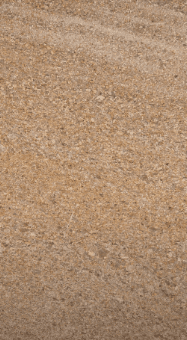
Imperial Marble
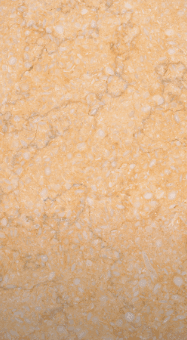
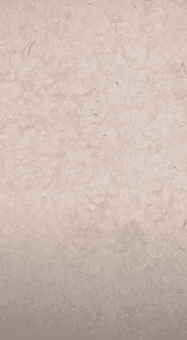
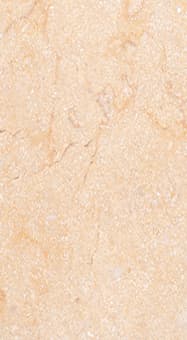
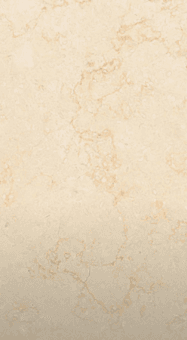
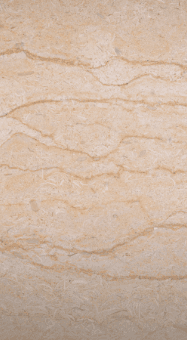
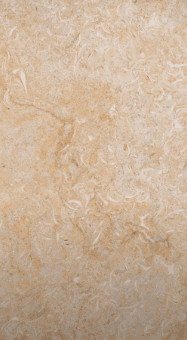
Imperial is a warm cream-to-beige Egyptian marble with a fine, even grain and soft, subtle veining that reads as a quiet, luminous surface when polished. Several Egyptian suppliers classify it as a limestone. It is used for interior flooring, wall cladding, stairs and vanity tops, and with brushed or tumbled finishes for exterior cladding, paving and pool surrounds.
- Also known as
- Imperial Beige, Imperial Beige Limestone
- Origin
- Egypt
- Colour
- Warm cream to rich beige
- Applications
- Interior flooring, Wall cladding, Staircases, Vanity tops, Exterior cladding and paving in textured finishes
- Sand Blasted
- Split Face
- Rough
- Leather
- Honed
- Bush Hammered
- Brushed
- Antique
About Imperial
Imperial sits between Galala and Sunny in tone: warmer than Galala Extra but calmer than the amber Sunny grades, with a fine, even grain that reads luminous when polished. Several exporters list it plainly as Imperial Beige limestone, which is the safer way to specify it. Trade sources differ on its quarry location, so ask for the origin of the specific bundle if provenance matters for your project. Suppliers advise sealing it, particularly in wet rooms and high-traffic areas, and reserving polished faces for interiors. It pairs well with Emperador as a dark accent. Contact us for available sizes and finishes.
Frequently asked questions
Is Imperial marble a limestone?
Most Egyptian exporters classify Imperial Beige as a limestone sold under the marble name, consistent with the other beige Egyptian stones. Treat it as a dense limestone for sealing, cleaning and finish selection.
Can Imperial be used outside?
Suppliers list it for facades, paving and pool coping in brushed, tumbled, sandblasted or bush-hammered finishes. Keep polished Imperial for interiors, and request absorption data for the specific production if it will be used in a wet or frost-prone exterior.